
Action and Imagination in Partnership
Getting Things DoneThe book unites envisioning and execution into a recurring cycle that makes desired change both thinkable and achievable.
increasing Bearing strength in each event
 decreasing
Bearing strength in each eventdecreasingA Result Must Be Imagined
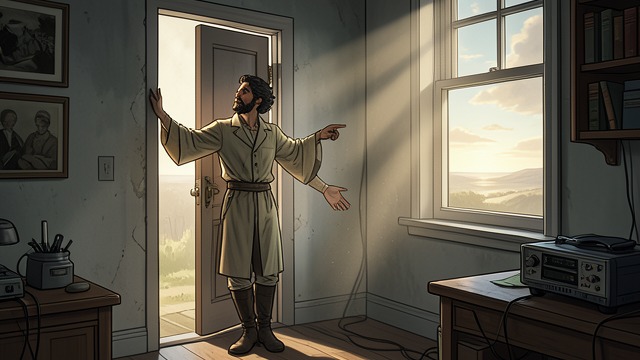
Seeing What Does Not Yet Exist
The Future Is Specified
A person imagines the project from beyond its completion date and pictures what successful conditions will be like. The exercise makes a future result more tangible than a general hope.
The image can direct attention toward relevant possibilities.
Permission Before Proof
People may hesitate to envision success until they know the method. Allen argues that imagining the result can help the mind begin to recognize a path.
The first movement toward change may therefore be a deliberate act of imagination.
Ideas Bridge Here and There
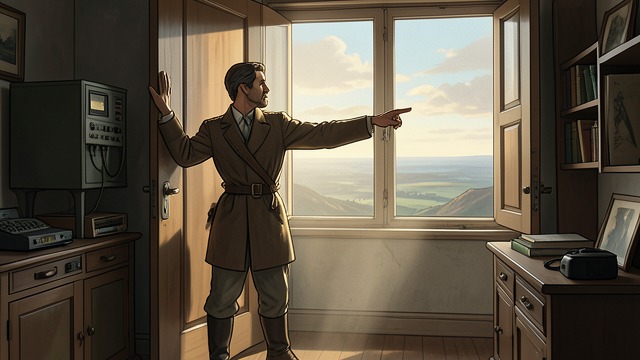
Filling the Distance
Possibilities Arise
Once the outcome is clear, the mind begins generating possible ways to reach it. Ideas may be incomplete, poor, promising, or surprising, and should initially be captured rather than prematurely judged.
The creative process responds to the gap between present reality and desired result.
Thought Gains a Form
Writing, drawing, or discussing ideas makes the gap easier to examine. The person can create more possibilities and see how they may relate.
Imagination develops into material that can later be organized and tested.
Structure Makes Choice Possible
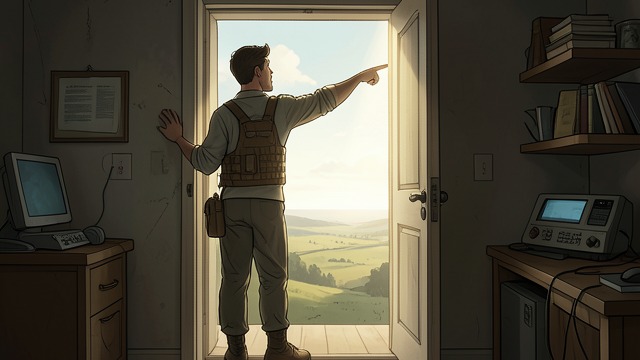
Turning Possibility into Organization
Relationships Appear
The person sorts ideas into components, sequences, and priorities. Structure identifies what must happen, what depends on what, and which elements can begin independently.
Planning shapes raw possibility without erasing creative origins.
A Plan Remains Flexible
The amount of detail depends on the project. A simple outcome may need one next action, while a more complex undertaking may require a fuller outline or shared plan.
Organization gives imagination a usable shape while allowing the plan to change with new information.
The Body Takes the Next Step
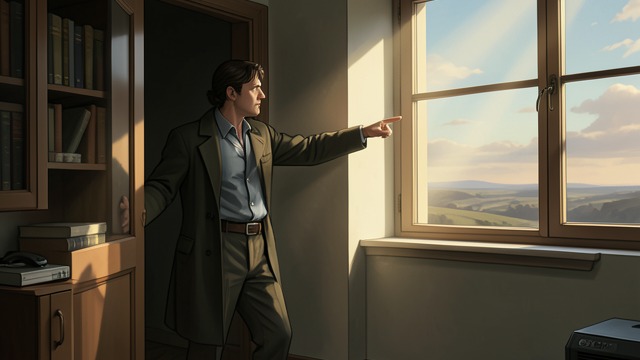
A Physical Commitment
Allocation in the World
The person selects the next visible action and decides who will take it. A call, meeting, draft, or inquiry begins altering the present situation toward the intended outcome.
Without action, the vision remains only a possibility.
Feedback Returns to Planning
The result of an action may produce new information, dependencies, or ideas. Planning and action therefore form a cycle rather than a one-way path.
The person learns and adjusts while making progress.
Desired Change Becomes Real
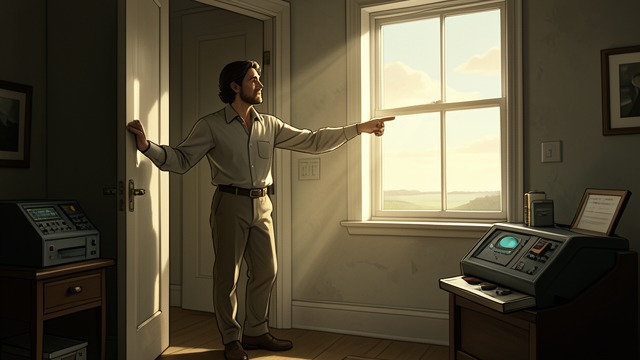
Vision Meets Reality
Enough Right Actions
When sufficient actions have created a situation that matches the desired outcome, the project can be considered complete. The result need not achieve abstract perfection; it must satisfy the clarified intention.
The finish line is defined by the outcome.
A Repeatable Creative Cycle
The person can then identify new desired changes, imagine results, generate ideas, organize them, and begin again. This process applies to everyday tasks and large projects alike.
The book’s central synthesis is that people make things up through imagination and make them happen through action.
During the discussion of vision and outcomes
When brainstorming responds to the vision
After a range of ideas has been generated
At the point planning becomes action
As actions accumulate toward completion
